

“Clearly A Precedent Setting Issue”
-Karen Budd-Falen
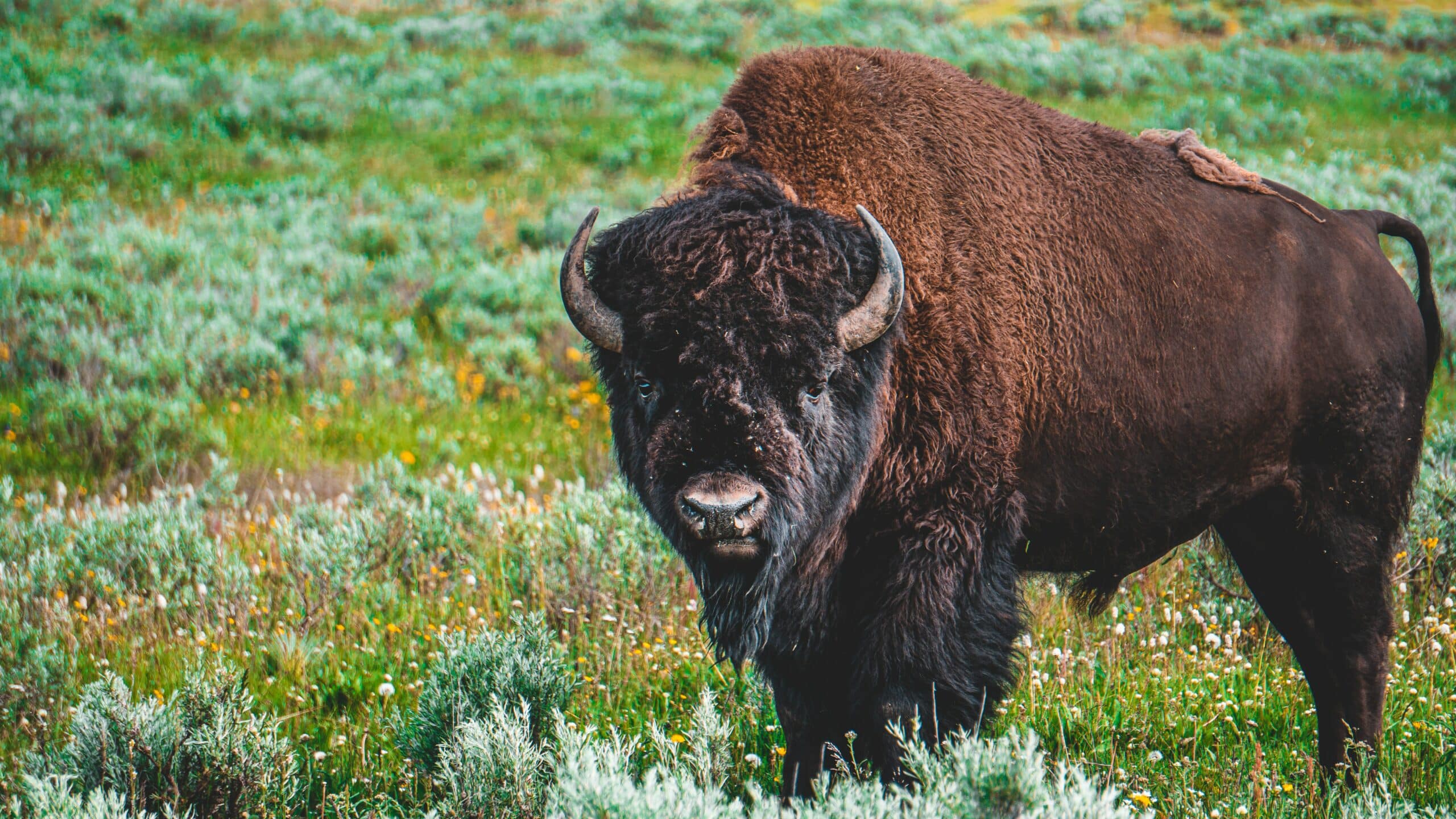
At the end of July, the Bureau of Land Management announced its final decision on the American Prairie Reserve’s bison grazing proposal on seven allotments in Phillips County, Montana.
APR submitted its original proposed action for BLM allotments in January of 2017 which requested permit terms such as changing the livestock type from cattle to “indigenous animals”, changing the season of use to year-round continuous grazing, general removal of interior allotment fencing and electrification of perimeter allotment fencing.
The BLM’s final decision included its March 2022 American Prairie Reserve Bison Change of Use Environmental Assessment, Finding of No Significant Impact, public comment report and its revisions to APR’s proposal. Ultimately BLM said one common allotment grazed with another livestock operator would remain approved for cattle-only grazing, four of the allotments were approved for seasonal bison grazing with pasture rotation, year-round bison grazing was approved on three allotments, and the removal, construction, and modification of some fence was allowed on the allotments.
To read more about the BLM’s final decision visit this article on Northernag.net: https://northernag.net/blm-issues-final-decision-on-bison-grazing-proposal/
The Montana Stockgrowers Association in partnership with the North and South Phillips County Grazing Districts filed an appeal on the BLM’s decision and requested a stay on the process until the appeal was resolved. Montana Attorney General Austin Knudsen and Governor Greg Gianforte also filed appeals with the Department of the Interior and requested a stay until the appeal can be heard. This fall, those petitions for stay were denied by the Office of Hearings and Appeals which the Governor’s office recently appealed.
To read more about the governor’s appeal visit: https://northernag.net/governor-gianforte-appeals-judges-apr-bison-grazing-decision/
Karen Budd-Falen is an owner of Budd-Falen Law Offices, LLC based out of Cheyenne Wyoming and the lead counsel for Stockgrowers and Phillips County Grazing Districts in this case. Karen has worked in the public lands legal space for many years assisting local ranchers and recently returned to Budd-Falen Law Offices after a two-year appointment by the Trump Administration as Deputy Solicitor for Wildlife and Parks.
Karen spoke at the Montana Stockgrowers Association’s annual convention in December, and she told members what she thought were the two fundamental problems with the case and the BLM’s line of reasoning.
Listen to Karen’s comments on Northern Ag Network’s podcast here.
“Taylor Grazing Act lands and grazing allotments were preserved for production livestock,” Budd-Falen told Northern Ag Network’s Brett McRae. “Now livestock is defined by state law – the state of Montana – defines livestock to include bison so its not necessarily the physical animals that are the problem in my mind, it is the word production.”
Budd-Falen says “It’s whether these animals are treated as production livestock so that there are economic benefits to the communities because one of the points under the Taylor Grazing Act was that these allotments were to be granted to those who would stabilize the livestock industry, care for the land and support the local community. And in my mind in this particular setup, that’s not occurring.”
Furthermore, Budd-Falen says APR is not treated the same as every other grazing permittee.
“Even if they were grazing production livestock, they have to follow the rules. The simple rules of filing an actual use report at the end of the grazing season, which their permits require – they don’t do that. The rules ensuring that no trespass occurs – they don’t have to do that.”
Budd-Falen says the rules need to equally apply no matter what class of livestock a permittee is running on an allotment.
“If I had another rancher violate the number of rules that these guys have violated, that rancher would not have a livestock grazing permit.”
She says this case has a wide impact across BLM permitees and not just an affect in Phillips County.
“I think the issue of what kind of livestock can graze under the Taylor Grazing act issue, has never been decided by the courts. There have been two cases that have allowed bison grazing but the court specifically found that they were production livestock. That has not been a finding in this case. So I think that issue is clearly a precedent setting issue.”
“…And I think that Taylor Grazing Act, and FLPMA, and the regulations thereof ought to apply to you no matter what you’re grazing or how you’re doing it. And if someone who is grazing livestock gets to disregard the rules when the general rancher can’t, I believe that is a huge problem for the livestock industry as a whole.”
Budd-Falen says the final briefing for the case will be next July, followed by a trial in Billings or Malta as an evidentiary hearing to determine if the BLM’s decision was correct or not.
###
Northern Ag Network