

Featured Article
Montana Agriculture Today: Klayton Lohr on Farming Through Uncertainty
Out on Montana’s Hi-Line, the wind does not just shape the land. It shapes the people who work it.
For farmer Klayton Lohr, whose family has farmed near Shelby since 1910, agriculture is more than a job. It is legacy, identity and, at times, an uphill battle.
“It’s windy, all right,” Lohr said. “Some days, that’s enough to test you.”
Built on Generations
Lohr farms ground first homesteaded by his great-grandfather, part of a family journey that began in Germany and eventually settled in north-central Montana.
Like many in rural communities, his upbringing was rooted in agriculture, where conversations in school revolved around seeding schedules, harvest and input costs.
A Different Kind of Education
Though he once planned to attend Montana State University, an opportunity to lease nearby farmland kept him home. What followed was a hands-on education in the realities of farming.
“I thought I knew a lot more than I did,” he said.
From finances to agronomy, Lohr quickly learned that agriculture is a constant learning process, one that does not stop after a degree.
The Pressure Facing Producers
Today, those lessons come with higher stakes.
Operating loans have grown significantly, while commodity prices and margins remain tight. Weather events, rising input costs and market volatility can quickly push operations into difficult territory.
“It’s easy to go hundreds of thousands of dollars in debt in the blink of an eye,” Lohr said.
Family and Sacrifice
One decision helped shape Lohr’s path forward. His father stepped away from farming so Klayton could continue.
“That doesn’t happen very often,” he said.
It is a reminder that behind every operation are families making tough choices to keep it going.
More Than One Path Forward
Even with deep roots, Lohr said conversations about life beyond the farm are becoming more common.
“There’s pride in it,” he said. “But you also have to ask what’s best moving forward.”
It is a shift in mindset, one that acknowledges both tradition and the need to adapt.
Looking Beyond the Fence Line
In addition to farming, Lohr has taken on leadership roles in organizations such as the U.S. Durum Growers Association, working to advocate for producers at a broader level.
“I could sit back and take what’s handed out, or try to be part of the solution,” he said.
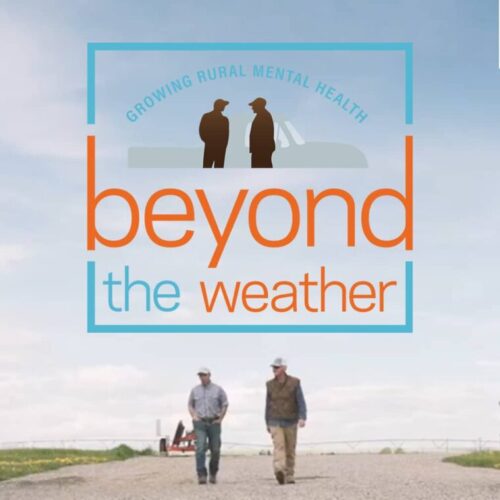
Beyond the Weather
As another season approaches, uncertainty remains, from dry conditions to rising costs. But like many producers, Lohr continues forward, adapting where he can and holding on to the reasons he started.
Because beyond the weather, beyond the challenges, agriculture is still about something bigger:
The land.
The people.
And the stories worth telling.