

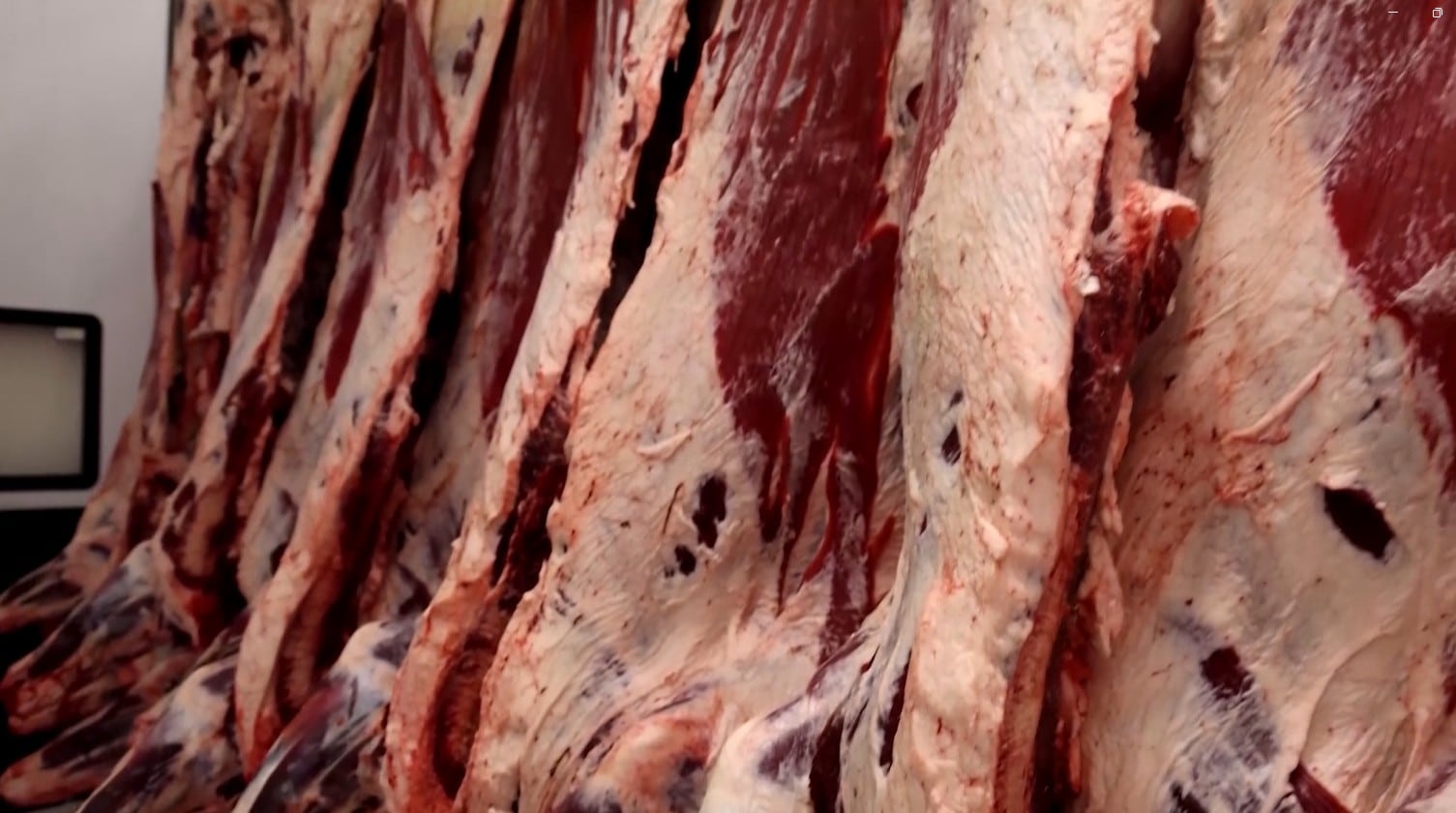
Federal officials say their investigation into the nation’s largest meatpackers is gaining momentum, with new emphasis on market concentration and its impact on cattle producers.
Speaking at a joint press conference, leaders from the U.S. Department of Justice (DOJ), U.S. Department of Agriculture (USDA), and the White House outlined ongoing efforts to examine potential antitrust violations in the beef sector. The investigation follows a presidential directive issued last fall to review pricing and competition across cattle and beef markets.
According to Acting U.S. Attorney General Todd Blanche, the department has reviewed more than three million documents and conducted interviews with hundreds of industry participants, including ranchers, feeders, and processors. While no enforcement actions have been announced, officials indicated both civil and criminal avenues remain under consideration depending on what the investigation uncovers.
At the center of the discussion is the continued dominance of the “Big Four” meatpackers, which control an estimated 85% of U.S. beef processing capacity. USDA Secretary Brooke Rollins noted that level of concentration has steadily increased over the past several decades, limiting marketing options for producers and raising concerns about pricing power.
“As ranchers face fewer options for selling their animals,” Rollins said, “the big four grow stronger and stronger. These companies now have an unprecedented ability to wield market power and influence prices paid for cattle.”
Officials also tied industry structure to broader concerns about supply chain resilience. Disruptions at individual plants, whether from fire, labor issues, or cyberattacks, have had outsized impacts in recent years, underscoring the risks of a highly concentrated system.
The administration also raised concerns about foreign ownership within the sector, noting that two of the four largest processors are headquartered outside the United States.
From a production standpoint, USDA highlighted ongoing challenges facing the cattle industry, including historically low herd numbers. The U.S. cattle herd currently sits at its smallest level since the 1950s, following years of drought, high input costs, and market volatility. The department also pointed to a continued decline in the number of independent producers.
Alongside the investigation, USDA outlined efforts aimed at expanding processing capacity and strengthening competition. Those include support for smaller and regional processors, adjustments to inspection costs, and incentives within federal nutrition programs to source domestically produced meat.
In addition to the beef probe, DOJ officials said a separate case involving price reporting practices in the poultry and pork sectors is expected to result in a settlement announcement later this week. That case centers on the sharing of competitively sensitive data among processors, which officials allege contributed to higher prices.
DOJ is also actively encouraging whistleblowers to come forward with information related to price fixing, bid-rigging, or other antitrust violations. Under an existing program, individuals may be eligible for financial rewards tied to successful enforcement actions.
Texas and Colorado rancher and R-CALF USA member Shad Shullivan also delivered remarks at the press conference.
“Farmers, ranchers, and American consumers have suffered for too long at the hands of consolidated power,” Sullivan said.
Sullivan also pointed to the importance of having the administration’s support on the issue.
“President Trump’s recognition that this level of concentration has possibly led to market control and manipulation, political leverage, and vulnerabilities in our supply chains and food security is crucial to upholding our sovereignty and safety in this nation. Restoring a fair marketplace, rebuilding a resilient American food system, and protecting the food security of this nation are critical in securing an integral marketplace that strengthens rural America, supports local economies, and ensures consumer affordability.”
The Justice Department opened an investigation into meat packing in 2020 during the first Trump Administration and later closed the investigation. White House Advisor Peter Navarro was asked what has changed with the current investigation.
“The big difference is velocity, intent, and actual action,” Navarro said. A”nd you’re going to see in this settlement that it is going to unleash a set of forces that are going to ripple through this industry rapidly and in a way which is going to allow us to get the bottom of this.”
Secretary Rollins added this is all part of a broader effort to address the impacts of consolidation and anticompetitive behavior across the agriculture industry.
“Whether it’s seeds and fertilizer and other inputs,” Rollins said. “The consolidation of agriculture in America has continued unabated for decades. And it is now time to take a very hard look and begin onshoring and reshoring so much of what we do and produce in America.”
For now, officials stopped short of predicting specific outcomes or timelines for the beef investigation. However, they emphasized that the effort reflects a broader push to increase scrutiny across agricultural markets.
###
Northern Ag Network