

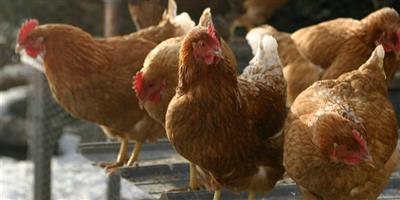
Helena, Mont. – On Wednesday, January 21, 2026, the Montana Department of Livestock (MDOL) confirmed Highly Pathogenic Avian Influenza (HPAI) in Carbon County. The affected flock is a backyard flock, consisting of chickens and ducks. This is the first detection in Montana in 2026. The last affected flock in Montana was found in October 2025.
Migratory waterfowl are the primary source of the influenza virus that causes HPAI. The highest risk for outbreaks tends to be during spring and fall migration. Domestic poultry may become infected through direct contact with infected wild birds, or contact with contaminated objects, equipment, or the environment. Despite the high-risk period occurring in spring and fall, cases in domestic poultry have been observed year-round throughout the country. It is also important to note that other species can become infected if exposed to the virus. Cats and dairy cattle are the most commonly reported.
MDOL recommends poultry owners house birds indoors to the extent possible and use good biosecurity practices to minimize disease risk. In addition to practicing biosecurity, poultry owners should observe their flocks at least 1-2 times a day for any signs of illness. Most often domestic poultry will present with sudden death, but owners may also notice respiratory signs like sneezing, coughing, discolored combs, swollen eyes, and lethargy.
“The Carbon County case is part of the avian influenza outbreak that has been going on for almost 4 years now.” said Dr. Emily Kalecyzc, Assistant State Veterinarian. “Even though the disease has only impacted a small percentage of Montana flocks, ongoing vigilance and increased biosecurity remains important to protect the health of poultry, domestic animals, and people.”
While HPAI can be spread to humans, the risk to the general population is considered low according to the Centers for Disease Control (CDC). However, individuals that are in contact with potentially infected animals or contaminated objects are considered at higher risk of becoming infected. Public health officials recommend wearing gloves when handling sick or dead birds and washing hands thoroughly after contact with poultry.
HPAI is not considered a food safety concern. Existing safeguards, including the pasteurization of milk, keep our food safe and wholesome. These safeguards are why the food supply in the United States is one of the safest in the world. As a reminder, the United States of Agriculture (USDA) recommends cooking poultry to 165 degrees Fahrenheit.
The Department encourages all poultry producers to immediately report sudden onset of illness or high death loss in domestic poultry to their veterinarian or MDOL (406/444-2976). If you find sick or dead wild birds that have died from unknown causes, please contact your local Fish, Wildlife, and Parks warden, biologist, or regional office, or call the FWP wildlife veterinarian (406/577-7880). Additionally, dairy producers who observe a sudden decrease in milk production, decreased appetite, fever, respiratory disease, or loose feces that cannot be otherwise explained are encouraged to report to their veterinarian or MDOL. Raw milk from sick cows should not be consumed.
The mission of the Montana Department of Livestock is to control and eradicate animal diseases, prevent the transmission of animal diseases to humans, and to protect the livestock industry from theft and predatory animals. For more information, visit www.liv.mt.gov.
###
Montana Department of Livestock