

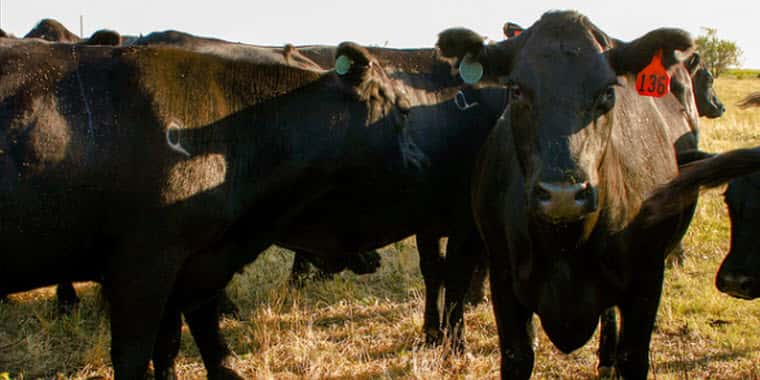
The National Cattlemen’s Beef Association (NCBA) today announced its 2026 policy priorities following approval by the organization’s Executive Committee at CattleCon 2026. NCBA’s focus centers on policies that directly impact producer profitability, including reducing regulatory costs, defending free markets, expanding trade opportunities, and maintaining strong beef demand.
“NCBA focused on practical, workable solutions that produced meaningful policy wins in 2025,” said NCBA President-Elect Gene Copenhaver, a Virginia cattle producer. “NCBA’s efforts resulted in key tax and regulatory improvements, including expanded estate tax exemptions, a new Waters of the U.S. rules, and the rescission of the Bureau of Land Management Public Lands Rule, providing greater certainty and opportunity for cattlemen and cattlewomen.”
NCBA leaders noted those achievements provide a strong foundation for the organization’s 2026 policy agenda, which focuses on strengthening producer profitability and addressing emerging challenges across the cattle business. The organization will advance regulatory reform, animal health protections, expanded market access, and workforce solutions that ensure the cattle and beef supply chain can continue meeting strong consumer demand.
“Now is the time to continue reforming federal regulations that have hindered conservation efforts for decades, strengthen protections against the northward spread of New World Screwworm, expand foreign market access for U.S. beef, and advance science-based policies that keep beef at the center of the plate.” Copenhaver said.
NCBA’s 2026 policy priorities:
- Continue to press the administration to roll back harmful regulations to keep working lands working.
- Enhance and strengthen U.S. mitigation measures against the incursion of New World Screwworm.
- Protect the U.S. cattle herd from foreign animal diseases and pests through heightened awareness and preparedness actions.
- Expand market access for U.S. beef exports and hold trade partners accountable to ensure equivalent animal health and food safety standards for imported beef.
- Promote scienced-based nutrition policies and sound, fact-based information for consumers.
- Push for further hours-of-service flexibility, increased truck weights, and continue delaying ELD requirements for livestock haulers.
- Safeguard the U.S cattle and beef supply chain by working with the administration to ensure there is a strong workforce to limit processing disruptions for producers.
###
NCBA