

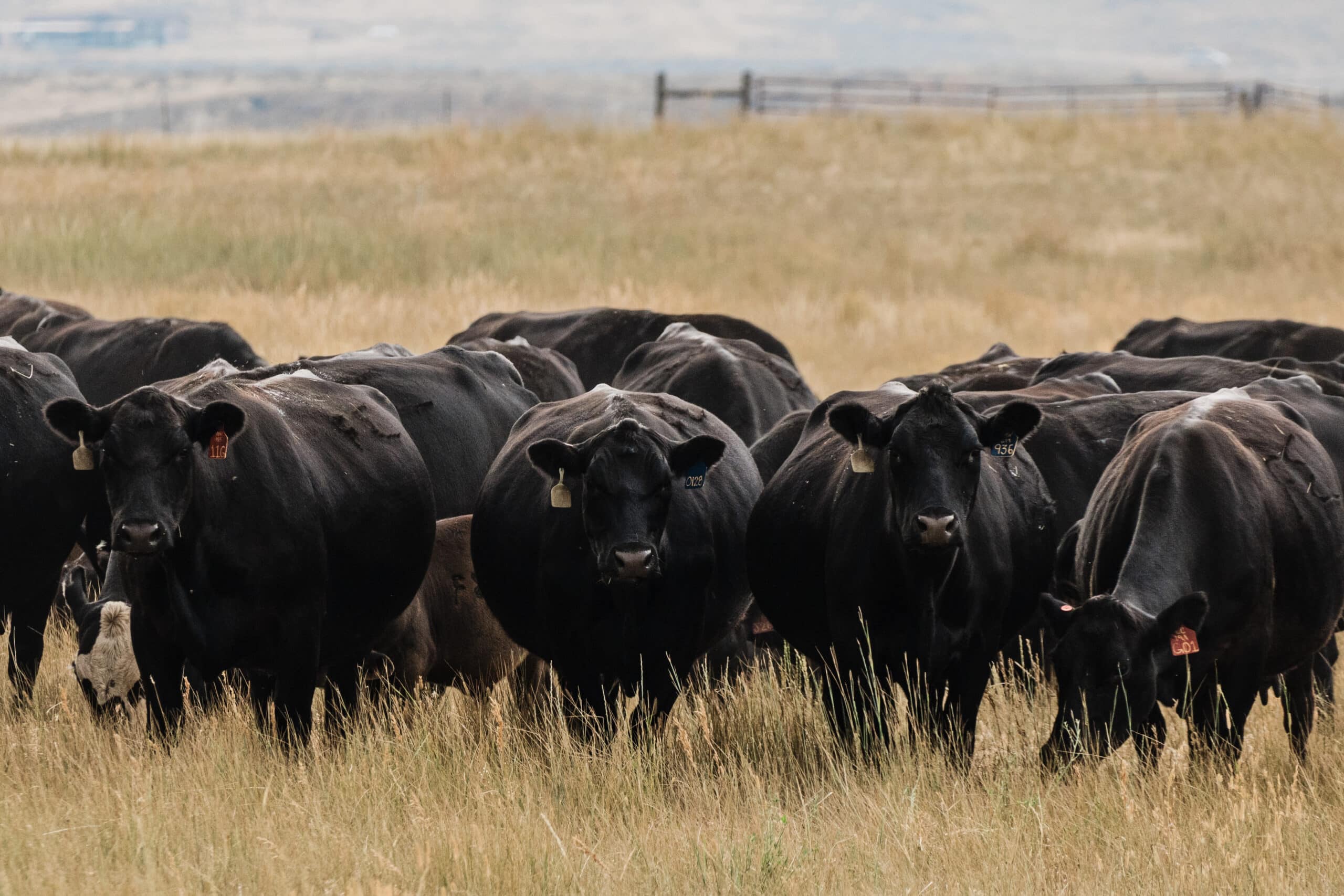
As we celebrate Ag Day 2026, I would like to encourage all of us to remember the key role that Wyoming’s rangelands and pastoralist history play in our state’s agricultural legacy. The United Nations has declared 2026 as the International Year of Rangelands and Pastoralism, providing us with a dedicated opportunity to celebrate a way of life that we have unique access to here in Wyoming.
While we may not all be familiar with the textbook definition of pastoralism, the concept is something I believe you are all likely acquainted with. Pastoralism is defined as a sustainable, adaptive form of animal husbandry where livestock are raised in expansive grassland environments unsuitable for cultivation or other uses. That definition directly describes Wyoming ranching, illustrating the intrinsic existence of pastoralism within our great state. This isn’t something that is fabled or symbolic of days gone by; it is something that is entwined in our daily lives, our heritage, and our identities.
You don’t have to look far to see examples of pastoralist practices being utilized in Wyoming. To be successful ranching in the face of Wyoming’s unique climate and geography, ranchers rely on rotational grazing, water development projects, wildlife conservation, and invasive species control. These practices, among others, allow ranchers to maintain profitability without sacrificing ecological stewardship.
From seas of sagebrush to grassy foothills and rugged mountain peaks, Wyoming’s landscape is an unrivaled example of rangelands and their importance. Roughly 85% of Wyoming is classified as rangeland, making it a critical ecosystem for native plants and wildlife, as well as a cornerstone for United States livestock production. Ranchers operating in these areas exemplify a pastoralist commitment to maintaining ecosystem balance, ensuring that the ecosystem’s diverse inhabitants are all given consideration in management practices without sacrificing the needs of one for the other.
Pastoralism also transcends animal husbandry and land management practices. At their core, pastoralist cultures rely on these practices, holding them sacred to their lives and identities. We see this illustrated in Wyoming’s culture, where agriculture and stewardship pervade every aspect of the Cowboy State.
Ranching is more than an occupation; it is a calling that gets in your bones and becomes a central part of your identity. It isn’t simply something you do, it is who you are. As we celebrate Ag Day and observe the International Year of Rangelands and Pastoralists, I challenge each of you to consider and celebrate the role of pastoralism in agriculture on a global scale and to remember our privilege in being a pastoralist state.
####
Anna Holley – WY Stockgrowers Association – 2026