

Grain markets were sharply lower this week after USDA released its January Crop Production Annual Summary, quarterly Grain Stocks, WASDE, and Winter Wheat Seedings reports, delivering far more bearish numbers than most analysts had anticipated, especially for corn.
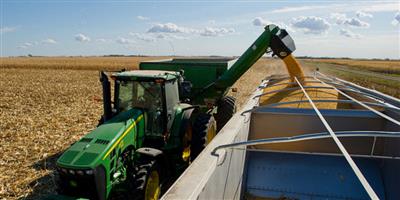
Instead of the expected decline, USDA raised national corn yield to a record 186.5 bushels per acre and increased harvested acres by 1.3 million to 91.3 million acres. That pushed total U.S. corn production to an all-time high of 17.02 billion bushels. December 1 corn stocks also set a record at 13.3 billion bushels, lifting 2025-26 ending stocks to 2.227 billion bushels and pressuring futures sharply lower.
Demand changes offered little relief. Feed and residual use rose by 100 million bushels, while food, seed and industrial use dipped slightly. Exports were unchanged, leaving total domestic use only modestly higher against swelling supplies.
Wheat markets faced similar, though less dramatic, pressure. USDA raised U.S. wheat ending stocks to 926 million bushels as feed use declined and total use slipped. Globally, wheat supplies continued to build with higher production estimates for Argentina and Russia, pushing world ending stocks above 278 million metric tons. Winter wheat seedings came in near 33 million acres, slightly higher than traders expected.
Soybeans leaned bearish as well, with production edging higher and exports cut, lifting U.S. ending stocks to 350 million bushels.
Livestock Outlook Mixed but Largely Supportive
USDA’s January WASDE offered mostly supportive news for cattle markets. Beef production for 2026 was raised slightly as carcass weights increased, while projected fed cattle prices were mostly higher across the year. Beef imports were increased, while exports were trimmed due to higher prices.
Overall, the January USDA reports delivered a sobering message for grain producers, while livestock markets showed more resilience amid abundant feed supplies.
####
DTN , Northern Ag Network – 2026