

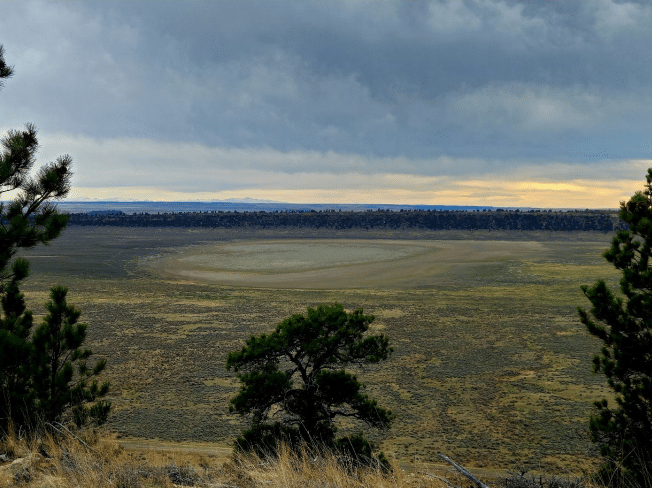
Montana is entering its sixth consecutive year of drought as spring 2026 begins, according to the latest Drought and Water Supply Outlook Report from the Montana Department of Natural Resources and Conservation (DNRC).
While most major reservoirs are expected to fill this spring, concerns are mounting over low snowpack, an unusually warm winter and the potential for early runoff that could reduce water availability later in the season.
“We are not out of the woods,” said DNRC Drought Coordinator Michael Downey. “The next 10 weeks will be critical for determining this summer’s water supplies, rangeland conditions and wildfire risk.”
Nearly Two-Thirds of Montana in Drought
As of early April, about 57% of the state is experiencing moderate to extreme drought conditions. The most severe impacts are concentrated in north-central, southwest and south-central Montana east of the Continental Divide.
An exceptionally warm and dry start to the year accelerated drought expansion and depleted snowpack at low and mid-elevations. Snow below roughly 6,500 feet melted nearly a month earlier than normal following the warmest November through February period on record in the state.
Although late 2025 rains provided some relief, many watersheds remain under stress after multiple years of dry conditions.
Snowpack Uneven, Streamflows Uncertain
Snowpack levels are below normal across most basins heading into April, with particularly low conditions in the Madison, Ruby, Beaverhead, Smith, Shields, Powder and Tongue River watersheds.
A mid-March storm system briefly boosted high-elevation snowpack in parts of central and northwest Montana, but late-season warmth quickly erased gains at lower elevations.
Streamflow forecasts vary across the state. Southwestern and southeastern basins are projected to run well below normal—between 60% and 80% of average—while western and northwestern areas may see near- to above-average flows.
Cooler, wetter weather through early summer would help extend runoff, improve forage production and reduce the risk of late-season water shortages.
Reservoirs Strong, Stock Water Concerns Persist
Most large state and federal reservoirs are in good shape and are expected to fill, supported by strong carryover storage and late-season inflows. Many western Montana facilities are currently at or above average levels for this time of year.
However, conditions are much different on the ground in eastern Montana. Many stock ponds, dugouts and prairie potholes remain dry or only partially filled, creating ongoing challenges for livestock producers and wildlife.
Forage conditions are expected to be below normal in parts of southwest, north-central and northeast Montana that missed key moisture late last year. Central Montana could see average to above-average grazing conditions if timely spring rains develop.
Flood Risk Still a Concern
Despite below-average snowpack in many areas, rapid snowmelt combined with potential rain-on-snow events could still trigger localized flooding.
State officials are encouraging residents near rivers and streams to review evacuation plans and consider flood insurance, noting that most policies require a 30-day waiting period.
Outlook Hinges on Spring Weather
Ultimately, the state’s water outlook will depend heavily on weather conditions over the next several weeks.
Timely precipitation could improve soil moisture, extend runoff and support both crop and pasture conditions. Without it, Montana could face tightening water supplies, reduced forage production and elevated wildfire risk as summer progresses.
The full Spring 2026 Drought and Water Supply Outlook Report is available here.